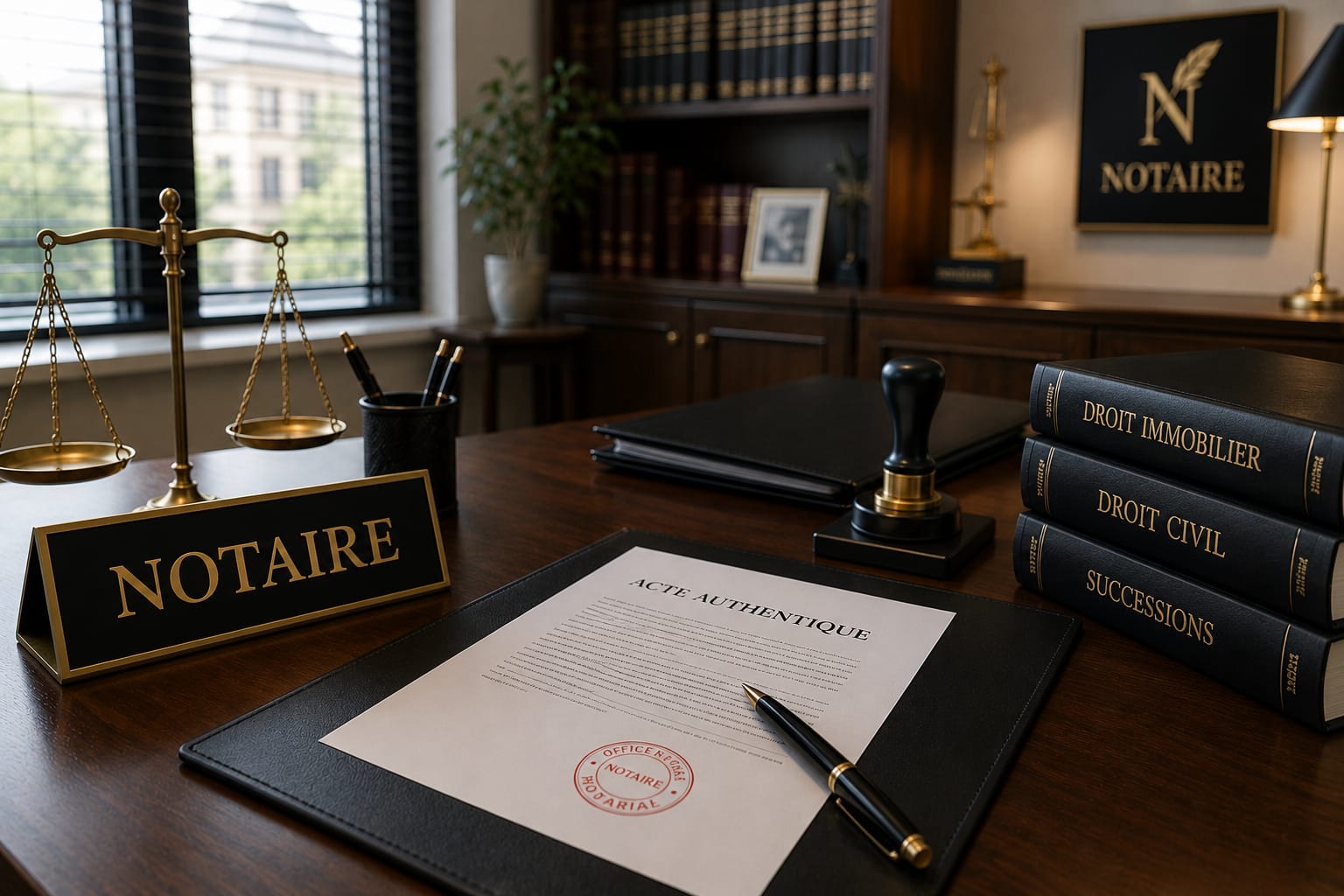
When buying property in Morocco, the notary plays a central role in protecting the transaction and making sure that the sale is completed correctly.
For foreign buyers, especially those purchasing a riad, villa, apartment, or renovation project in Marrakech, understanding the role of the notary is essential.
At iMarrakech Property, we always advise our clients to work with a qualified and experienced notary before signing any legal commitment.
A neutral legal professional
In Morocco, the notary is an independent legal professional. His or her role is not to represent only the seller or only the buyer, but to secure the transaction for both parties.
The notary verifies the legal status of the property, prepares the official documents, receives the funds, registers the sale, and ensures that the buyer becomes the legal owner.
In many Moroccan property transactions, one notary handles the file for both the seller and the buyer. The notary must remain neutral and guarantee the legal security of the sale.
Legal checks before the sale
Before preparing the final deed of sale, the notary checks the legal situation of the property.
This may include verifying whether the property is:
A titled property with a Titre Foncier.
A property under registration process, known as Réquisition.
A traditional property based on Melkia documents.
The notary will also check whether the property has a mortgage, legal charge, opposition, seizure, or any other issue that could affect the sale.
For certain properties, especially renovated riads or properties with recent construction work, the notary may also request documents such as the building permit, habitation permit, plans, or other administrative documents.
Drafting the deed of sale
Once the legal checks are complete and the conditions are clear, the notary prepares the official deed of sale.
The deed can usually be drafted in French or Arabic. If one of the parties does not understand the language used, the notary may require the presence of a sworn translator during the signing.
The translator explains the document and confirms that the party understands what is being signed.
Registration and land formalities
After signature, the notary registers the transaction and completes the necessary formalities with the relevant administrations.
For titled properties, this includes registration with the Moroccan Land Registry so that the buyer is officially recorded as the new owner.
This step is extremely important because it confirms the buyer’s ownership and protects the investment legally.
Funds, foreign investment, and Formule 2
For foreign buyers who bring funds from abroad, the notary and the bank can help make sure that the money is correctly traced.
One important document for foreign investors is the Formule 2, issued by the bank when foreign currency enters Morocco and is converted for the purchase.
This document helps prove the origin of the funds and can be useful in the future if the owner resells the property and wants to transfer money abroad.
The exact requirements can evolve, so foreign buyers should always confirm the current procedure with the notary and the bank before transferring funds.
What costs should buyers include?
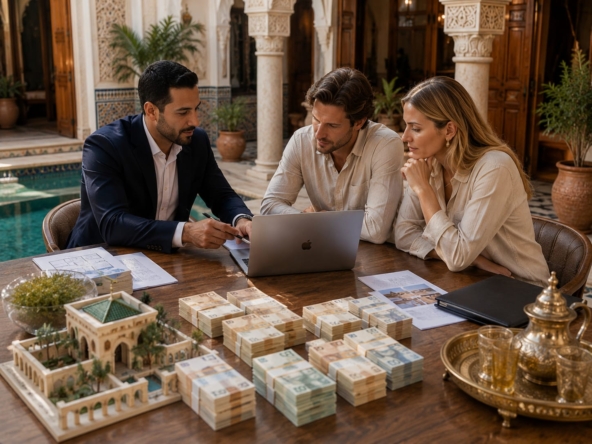
When buying property in Morocco, the buyer should budget for more than just the purchase price.
The acquisition costs usually include:
Registration duties.
Land Registry fees.
Notary professional fees.
Administrative and stamp fees.
Translation fees, if required.
Mortgage registration fees, if the buyer uses a Moroccan bank loan.
Bank and transfer charges, depending on the case.
As a general working estimate, buyers should usually budget around 8% to 10% of the purchase price for acquisition costs in Morocco. This can vary depending on the legal status of the property, whether it is titled or in the process of registration, and whether the buyer uses Moroccan bank financing.
If the buyer takes a Moroccan mortgage, additional costs may apply, often calculated on the amount of the loan.
What about Melkia property?
Some traditional properties, especially in old Medinas, may still be based on Melkia documents.
A Melkia property can sometimes be an interesting opportunity, but it requires careful legal analysis. In many cases, the property may need to go through a titling process before the final sale can be completed through a notary.
This process can take time and may involve additional costs, legal steps, and administrative procedures.
For this reason, foreign buyers should be very careful with Melkia properties and should not sign anything without advice from a serious notary and experienced professionals.
Who pays the real estate profit tax?
The real estate profit tax, commonly referred to as TPI, is normally the responsibility of the seller.
In some transactions, the notary may assist with calculating, declaring, or paying this tax on behalf of the seller, depending on the file.
The buyer should still understand this point clearly, because the notary may require all tax matters to be settled before the sale is fully completed.
Our advice
A secure purchase in Morocco starts with good preparation.
Before buying, make sure that:
The property documents are clear.
The notary has checked the legal status.
The purchase funds are transferred correctly.
All taxes and fees are understood in advance.
The final deed is properly registered.
At iMarrakech Property, we help buyers identify the right property and coordinate with the necessary professionals throughout the process.
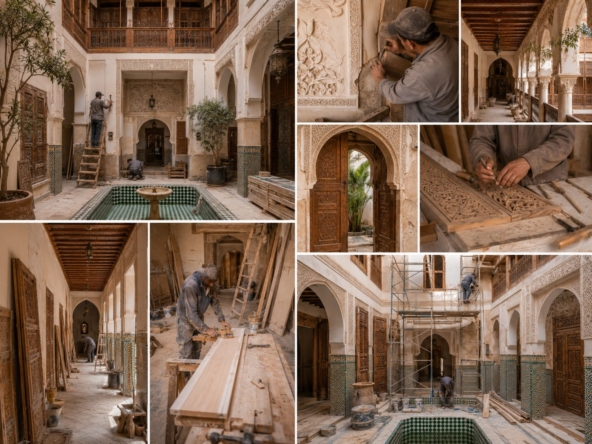
And for clients who wish to renovate after purchase, our construction and renovation company, Riads Reno SARL, can also support the technical, construction, and finishing stages of the project.
Buying property in Morocco can be safe and rewarding when the transaction is correctly structured from the beginning.